Prova de Doutoramento do aluno Shuhao Ma

Área: Media Digitais
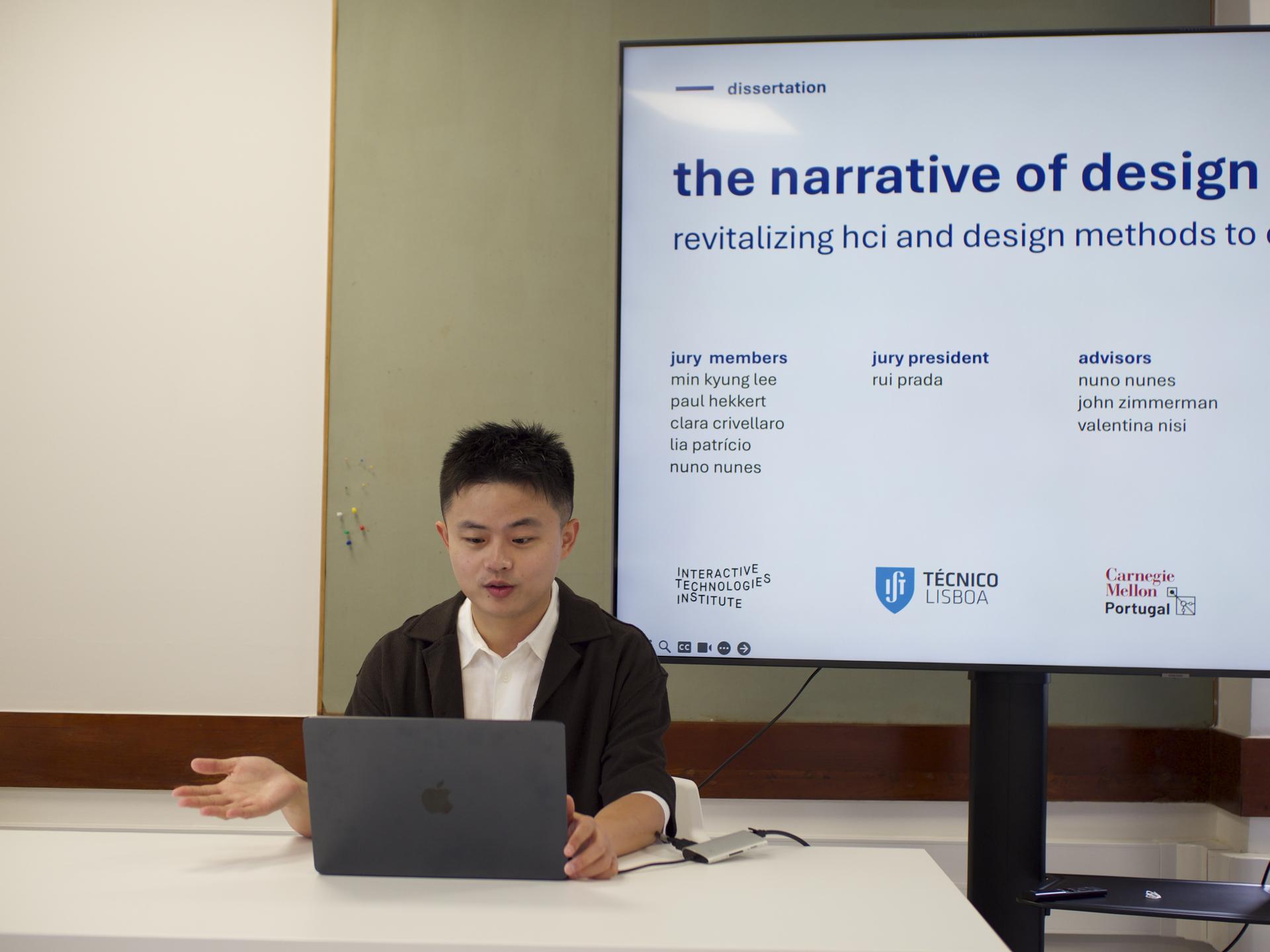
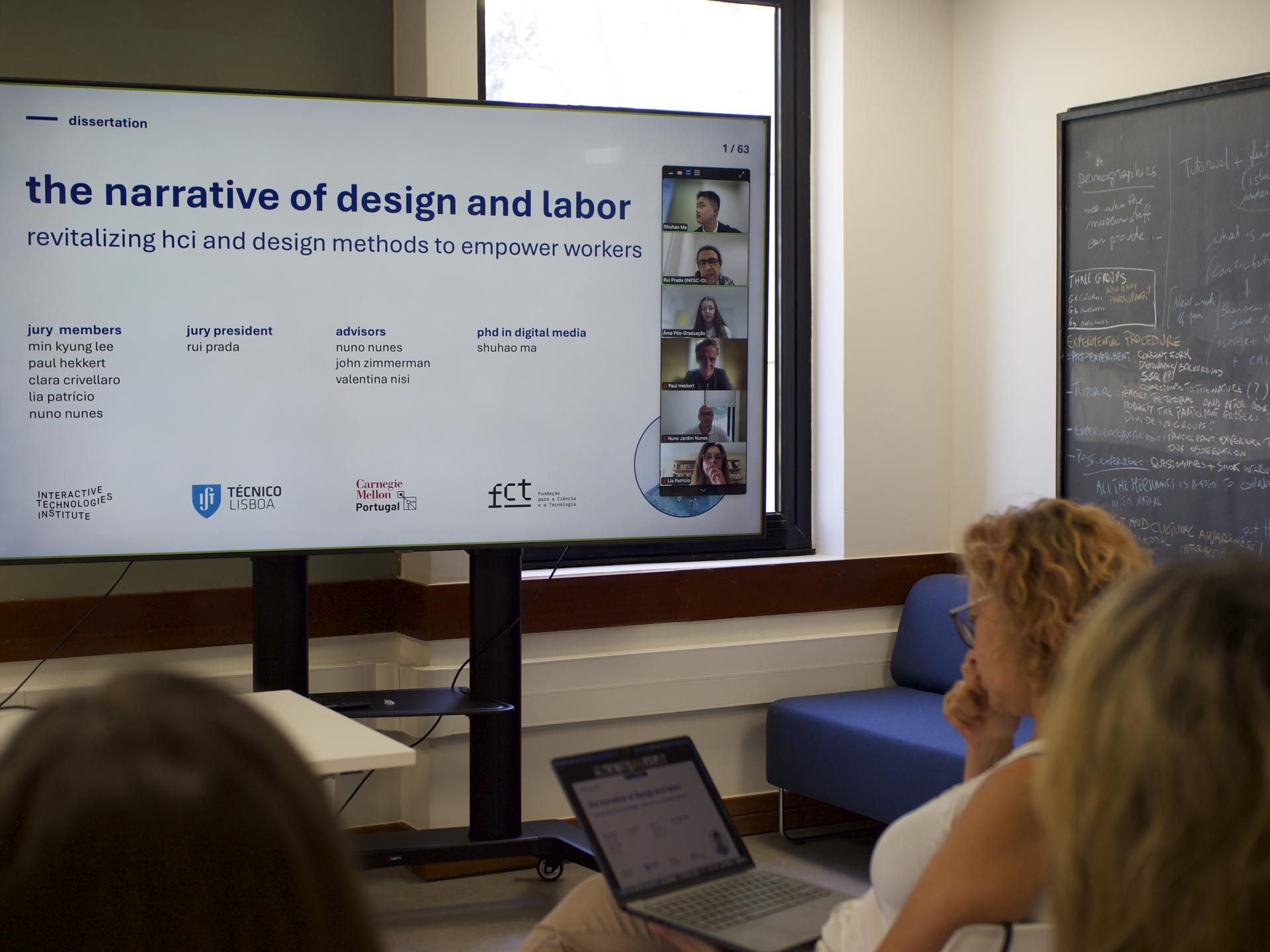
Título da Tese: The Narrative of Design and Labor: Revitalizing HCI and Design Methods to Empower Workers
Local da Prova: https://tecnico-pt.zoom.us/j/97828070131
Data: 02/06/2026
Hora: 14h30
Abstract: Design has become a powerful force driving social, technological, and economic innovation, often seen as a universal solution for challenges such as social justice that accompany these transformations. However, amid the global rise of the gig economy, where designers create the interfaces that mediate platform work, there is growing awareness of the vulnerabilities faced by workers, including migrants, low-skilled individuals, and those who are economically marginalized behind these systems. This research examines how HCI and design scholarship understand and engage with the complex relationships among design, labor, and capital within the platform economy. It adopts qualitative approaches that combine ethnographic inquiry with Research through Design to involve both gig workers and platform designers. This thesis expands the understanding of how design influences workers and labor dynamics. It first develops a multidimensional view of gig work that moves beyond HCI's focus on digital interfaces to include infrastructural, environmental, and social factors shaping precarious labor. It then examines the politics of design, revealing how designers and managers operate within platform governance and how their constraints can reinforce exploitative labor relations. The thesis also introduces labor design as a new lens, recognizing design's role in shaping labor markets and imagining more equitable futures in an AI-driven society. Finally, by exposing the challenges of addressing labor conflicts, this work proposes action spaces toward the future of worker-centered design. This thesis advances HCI and design research in their commitment to social justice and sustainability. It emphasizes that design activities, whether intentional or not, inevitably shape labor dynamics. Every design decision influences how work is organized, valued, and experienced, positioning designers as active agents in the production and transformation of labor systems. At the same time, the thesis argues that future research must expand the actionable space of designers by moving beyond ethical awareness to provide the tools, education, and institutional support necessary for meaningful engagement. While the gig economy serves as the primary context, the narrative of design and labor extends far beyond it, permeating all domains where human work is mediated by design.